
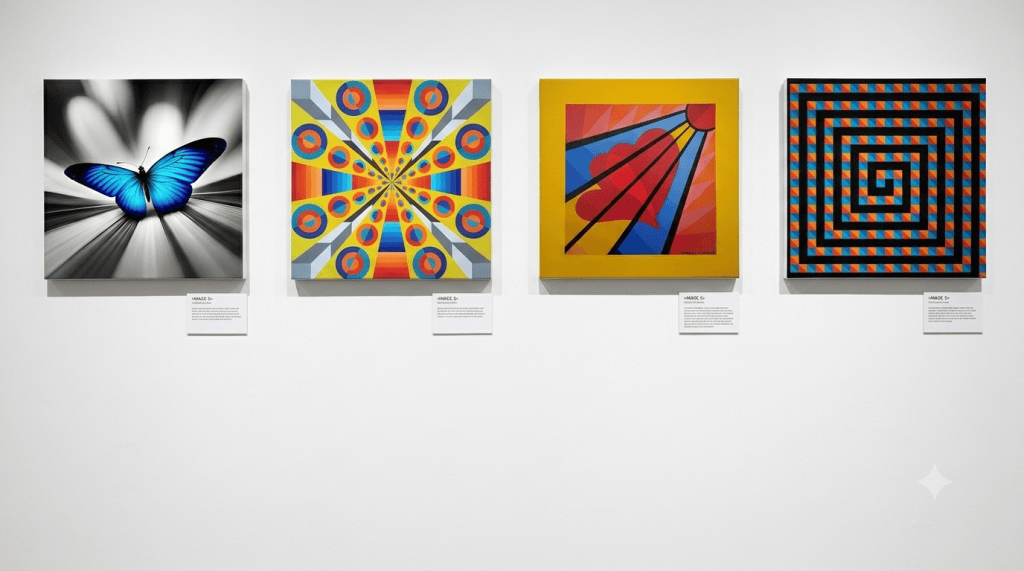
Gallery Artshow, art by @romartinezart
Finding the Right Stage for Your Art Show
Hey fellow creatives,
Putting your artwork out into the world is a massive leap of faith, and choosing where to show it is half the battle. Over the years, I’ve learned that every venue brings its own unique energy, advantages, and learning curves.
If you are trying to figure out where to hang your latest collection, here is a realistic breakdown of the three major exhibition paths, based on the highs and lows of real-world experience.
- Established Galleries: The Gold Standard
For many artists, a reputable gallery is the ultimate goal—and for good reason. The sheer volume of logistics they handle can make the financial trade-off entirely worth it.
The Pros: They bring a built-in audience of active collectors and steady foot traffic. They also handle the heavy lifting: curating, marketing, managing the opening, processing sales, wrapping, and shipping.
The Cons: Premium service comes at a premium price. Galleries typically take a 35% to 50% commission on sales. However, you will often find you sell more volume here and for more money than anywhere else.
- Community Spaces: Churches, Civic Centers, & Commercial Hubs
Pop-up shows in everyday local venues are excellent for grassroots exposure, though sales heavily depend on the venue’s daily foot traffic.
The Pros: Low barrier to entry, great local promotion, and a chance to introduce your work to a diverse demographic.
The Cons: Mixed intent. Visitors are often there to attend worship, take a fitness class, or pay taxes. Because they aren’t in a “buying mindset,” converting a viewer into a collector takes extra effort.
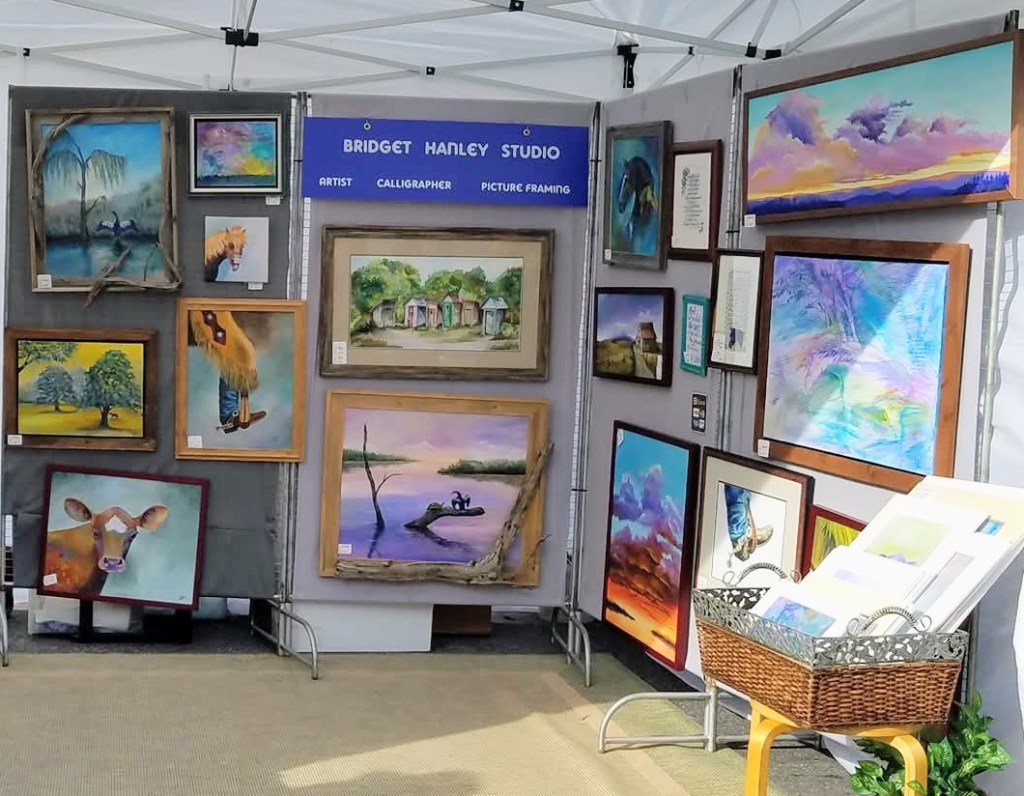
Festival Art Show, art by @bridgethanley
- Intimate Home Art Shows: The Hidden Gem
Hosting an exhibition in a private residence flips the traditional gallery model on its head, trading massive foot traffic for deep, intentional connections.
The Pros: You keep 100% of your sales. The relaxed, low-pressure environment allows you to have meaningful, unhurried conversations about your creative process.
The Cons: The reach is entirely up to you. You are 100% responsible for the guest list, ambiance, catering, and closing the sales yourself.
Master the Art of the Home Show Invitation
Because a home show relies entirely on your personal network, how you invite people matters. Here is how to pack the room with a warm, supportive crowd:
Make it Exclusive, Not Preachy: Frame the invite as a special peek behind the curtain. Use phrasing like: “I’m opening up an intimate space to share the stories behind my newest collection before it goes public, and I’d love for you to be a part of it.”
The “Plus-One” Strategy: Encourage your core supporters to bring a friend. Tell them: “Space is cozy, but feel free to bring a friend who loves local art or a good glass of wine.” This instantly expands your network with trusted referrals.
Send Direct, Personalized Messages: Massive email blasts get ignored. Reach out individually via text or direct message to your top 20-30 contacts. A simple, “Hey [Name], I’m hosting a small art evening at the house on Friday the 12th. It would mean the world to have you there!” is incredibly hard to turn down.
The Takeaway
No matter where you are in your creative journey, the most important thing is to get out there and promote your work. Beginning artists may not have access to reputable galleries right away—and that is completely fine. Start small, embrace your community, and build your audience one connection at a time.
http://www.bridgethanleystudio.com
Keep creating,
~Ro Martinez Rimes

